
Informe definitivo sobre el mercado del arte 2026: Sobrevivir al cambio revolucionario
Descubra el radical 'Cambio Transvertical', las tendencias neodeco y las estrategias vitales para la riqueza. Una guía definitiva para coleccionistas que navegan por el nuevo paisaje geopolítico.
Índice
Resumen ejecutivo: La arquitectura del mercado del arte 2026
En Mercado del arte 2026 paisaje se encuentra no sólo en un estado de recuperación, sino en la agonía de un profundo metamorfosis estructural. A medida que la economía mundial cruza el umbral del 17 de enero, la contracción del años anteriores ha dado paso a una nueva realidad definida por radical fragmentación y reconsolidación agresiva.
Hemos entrado en la era del “Mercado Transvertical”. En el Mercado del arte 2026, Las distintas taxonomías de “obras de arte”, “objetos de colección de lujo” y “activos digitales” se han fusionado en una clase de activos única y fluida.. Este cambio no se rige por la teoría estética, sino por la liquidez del capital y el arbitraje geopolítico.
La brecha de la riqueza y las mentalidades de fortaleza
El contexto macroeconómico es una recuperación solidificada en forma de “K”. La clase propietaria de activos -específicamente el 0,001% superior- se ha desvinculado de la economía en general. Este exclusivo está llevando a los estratos superiores del mercado a nuevas cotas, mientras que el mercado medio se ahueca bajo la inflación.
Esta divergencia se ve exacerbada por un entorno geopolítico definido por “mentalidades de fortaleza”. El globalismo librecambista del pasado ha sido desmantelado.

“La ”Fortaleza América“, fortificada por los nuevos aranceles, se opone ahora a la ”Fortaleza Europa“ y sus muros reguladores. En consecuencia, el capital fluye hacia ”zonas neutrales" como Seúl y los EAU para encontrar seguro puerto.
Reescritura financiera y cambios estéticos
La infraestructura financiera de la Mercado del arte 2026 se ha reescrito. El paso del Ley "One Big Beautiful Bill" (OBBBA) en EE.UU. ha alterado de manera fundamental el equilibrio intergeneracional. riqueza transferencia, estabilizando la oferta de obras maestras. Simultáneamente, la agresivo Las reformas fiscales están activando un mercado interior masivo.
Estéticamente, los coleccionistas se refugian en lo táctil. seguridad de Neo-Deco. Esta tendencia sirve de contrapeso psicológico a la institucionalización de la IA, simbolizada por la obra de Refik Anadol Dataland.
Este informe ofrece un análisis exhaustivo de estas fuerzas convergentes. Ofrecemos un granular hoja de ruta para coleccionistas e inversores que navegan por el traicionero pero lucrativo aguas del Mercado del arte 2026.
Nota de información privilegiada:
La métrica de la “velocidad En el mercado de 2026, la “Pericia” tradicional está siendo sustituida por la “Velocidad de Liquidez”. Los grandes coleccionistas ya no preguntan primero “¿Quién ha pintado esto? Preguntan: ”¿Puede este activo cruzar fronteras?“.”
El mayor valor reside ahora en los objetos portátil, verificable digitalmente y resistente a los aranceles-haciendo del tamaño físico y la documentación de procedencia la nueva regla de oro.
El cambio transvertical: Más allá de la taxonomía
La disolución de las categorías
El concepto de “transverticalidad”, término que ha llegado a definir el mercado de 2026, representa algo más que una diversificación de activos; es una reestructuración fundamental de la psicología del coleccionista. El director general de Sotheby's, Charles Stewart, ya señaló este cambio en 2025, señalando que el mercado no se estaba reduciendo, sino que se estaba transformando. transformando.6
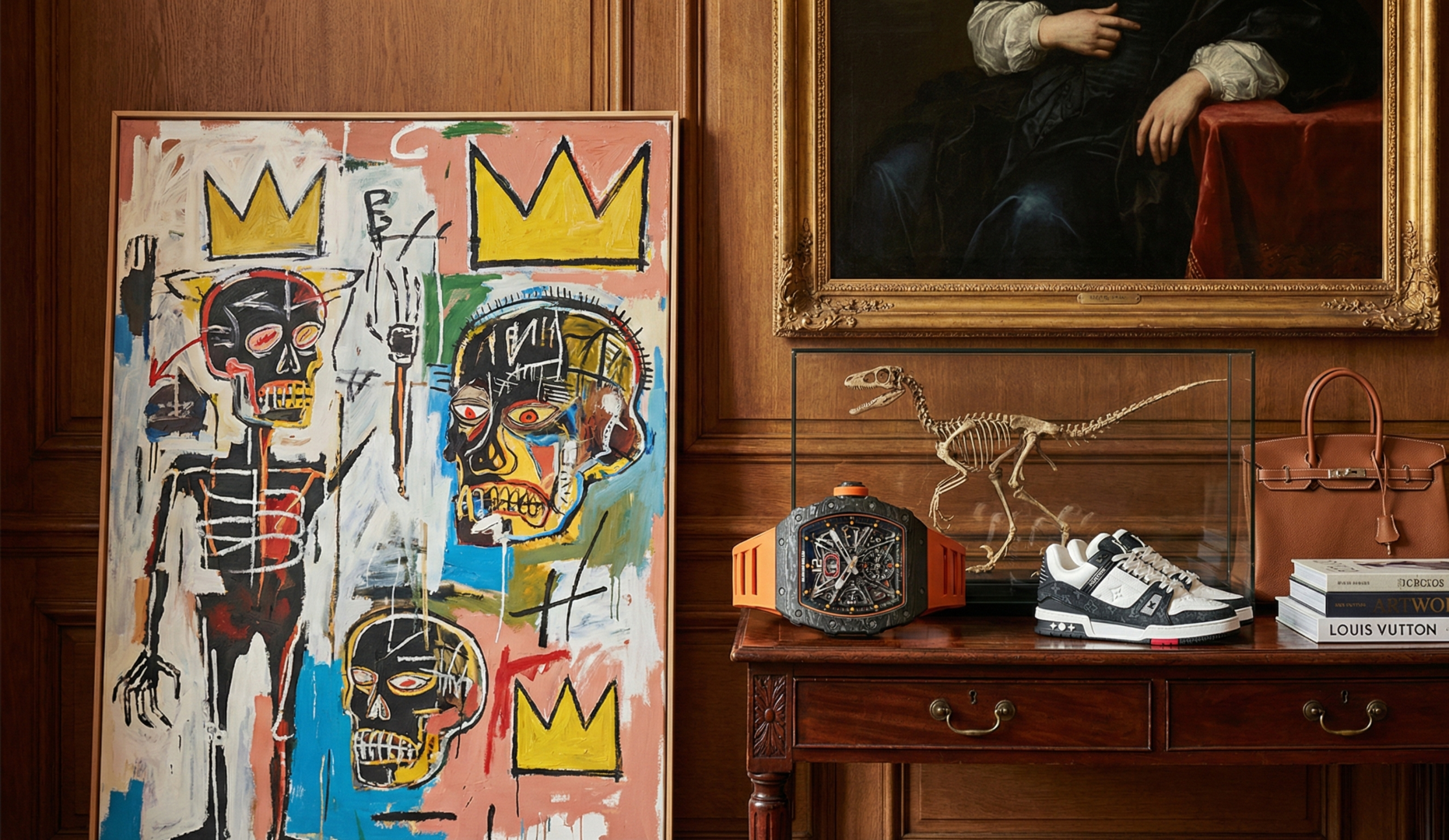
En 2026, esta transformación es completa. El coleccionista de mediados de la década de 2020 no distingue entre un lienzo de Basquiat, una pieza única de Richard Mille, un fósil de dinosaurio esquelético o un algoritmo generativo de inteligencia artificial.
Estos activos se contemplan a través de una lente unificada de capital cultural y revalorización de activos.
Este cambio ergonómico del mercado está impulsado por el ascenso de los coleccionistas “nativos digitales” -las generaciones Y y Z-, que ahora constituyen un tercio de la base de compradores de las grandes casas.6 Para este demógrafo, el valor se deriva de la velocidad narrativa de un objeto más que de su soporte. Esto quedó patente en la exposición de Sotheby's Orígenes en Diriyah en la que se mezclan surrealismo de René Magritte, arte callejero de Banksy, esculturas de Fernando Botero y objetos deportivos de alto rendimiento.6 El éxito de estas ventas entre categorías demuestra que las barreras entre “Bellas Artes” y “Lujo” eran construcciones artificiales del siglo XX, ya obsoletas.
La bifurcación de volumen y valor
Mientras caen las barreras conceptuales, se ha abierto una dura brecha financiera. El mercado se ha bifurcado en dos velocidades distintas: una base de gran volumen y escaso valor y un vértice de escaso volumen y gran valor.
La revolución asequible:
La base del mercado está experimentando una explosión de actividad. Las transacciones de obras con un precio inferior a $5.000 han alcanzado máximos históricos y representan 85% del total de lotes vendidos en el periodo 2024/25.6 Este segmento, a menudo considerado marginal, se ha convertido en el principal motor de liquidez del mercado.
Se nutre de subastas exclusivamente en línea y de una democratización del acceso que permite a los nuevos operadores participar en la economía del arte con un mínimo de fricción.
Sin embargo, a pesar del enorme volumen -cerca de 125.000 lotes vendidos-, este segmento sólo aporta 8% a la facturación global total.6 Se trata de un mercado de “compras por placer”, impulsado por la afinidad estética más que por la especulación inversora.

La contracción del Prestige:
Por el contrario, el segmento “Prestige” (obras valoradas en más de $1 millón) ha entrado en un periodo de escasez calculada. El número de resultados de subastas que superan el umbral de las siete cifras se redujo en 29% en el último ciclo.6 No se trata de un colapso de la demanda, sino de un reajuste de la oferta. Los coleccionistas adinerados, que operan en una economía “en forma de K” en la que sus activos siguen revalorizándose, se han vuelto exigentes hasta el punto de ser despiadados. El frenesí especulativo por la “pintura húmeda” -obras de artistas ultracontemporáneos con escaso historial en el mercado secundario- se ha evaporado. El capital se retira ahora a los activos “significativos”: obras raras, históricas y de procedencia intachable. Se acabaron las guerras de pujas automáticas por obras de artistas estrella de nivel medio; la audacia ha sido sustituida por el “discernimiento racional”.
El modelo operativo “Menos es más
El sector de los concesionarios ha respondido a esta nueva realidad con una estrategia de “poda geográfica”.7 El modelo expansivo y colonial de las megagalerías -con sedes en todas las grandes capitales- se está replanteando. Tras una oleada de cierres en 2025, las galerías supervivientes dan prioridad a la sostenibilidad.
El enfoque ha pasado de la ubicuidad física a la “marca global” a través de la presencia digital y las activaciones físicas estratégicas de gran impacto.
Consejo profesional:
Evite la trampa de la “pintura húmeda El frenesí especulativo por los artistas ultracontemporáneos se ha evaporado. En 2026, el capital se retira a un lugar seguro. Consejos prácticos: Céntrate en artistas de “media carrera” con validación museística, en lugar de perseguir el último hype de Instagram.
La frenética proliferación de ferias de arte también ha llegado a un punto de saturación; la predicción para 2026 es “Menos es más”, con una consolidación del calendario y un enfoque en ferias que ofrezcan una genuina distinción regional en lugar de un internacionalismo genérico.7
La geopolítica del arte: Fortaleza América vs. Fortaleza Europa
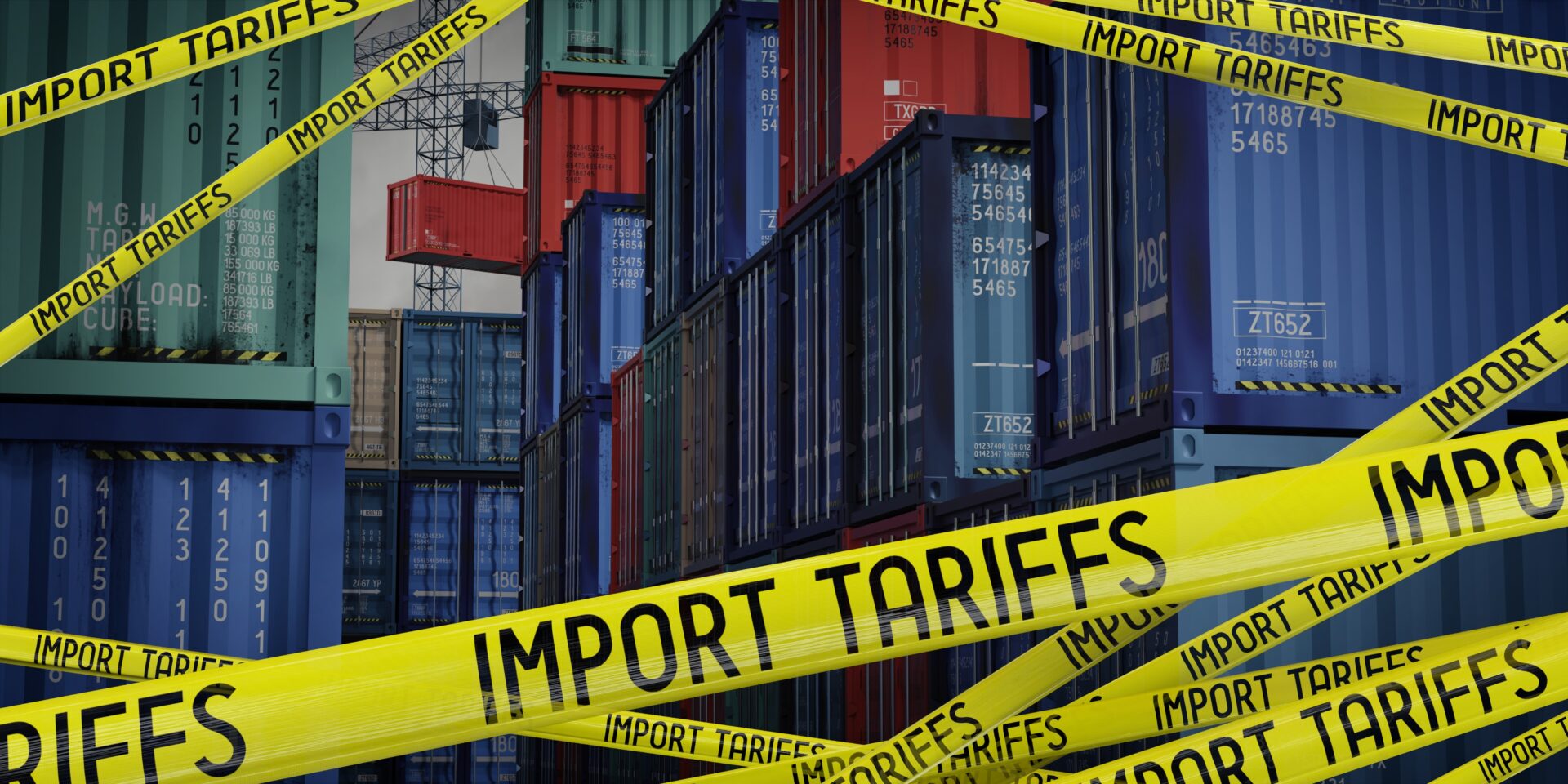
La fuerza más perturbadora del mercado del arte en 2026 no es estética ni tecnológica, sino política. El comercio mundial del arte, que floreció bajo tres décadas de políticas neoliberales de libre comercio, navega ahora por un mundo de “Muros arancelarios” y “Fortalezas reguladoras.”
Fortaleza América: El régimen arancelario de la segunda administración Trump
El regreso de Donald Trump a la Casa Blanca en 2025 inició una política comercial neoproteccionista que ha puesto patas arriba la economía de la importación de arte a Estados Unidos. Utilizando las amplias facultades otorgadas por la Ley de poderes económicos internacionales de emergencia (IEEPA) y Sección 301 de la Ley de Comercio de 1974, la administración ha reclasificado las importaciones de arte de manera que trata la cultura como un bien de lujo sujeto a impuestos punitivos.8
El choque de la reclasificación
Históricamente, las obras de arte originales entraban en Estados Unidos libres de impuestos, una política diseñada para fomentar el intercambio cultural. Este consenso se hizo añicos en abril de 2025. La administración, que consideraba el déficit comercial una emergencia nacional, impuso una Tarifa de 10% a 20% sobre las importaciones de la mayoría de los socios comerciales, con escaladas específicas para China y la Unión Europea.9
- La etiqueta “lujo”: El arte ya no es distinto de los bolsos o los coches deportivos a ojos de las aduanas estadounidenses. Es un “bien de lujo de alto valor”.”
- La trampa de los “medios mixtos”: La aplicación de estos aranceles ha dado lugar a reclasificaciones agresivas por parte de los agentes de aduanas, presionados para maximizar los ingresos. Un cuadro que incorpora elementos textiles o de collage se clasifica ahora con frecuencia como “textil manufacturado”, lo que da lugar a aranceles proteccionistas destinados a proteger a los fabricantes nacionales de prendas de vestir. Del mismo modo, las esculturas de acero o bronce soldado se etiquetan como “artículos de metal común” (HS 7326), lo que atrae aranceles de hasta 1.000 euros. 25% a 35%.9
La logística del aislacionismo
Este régimen arancelario ha destruido el modelo “DDP” (Delivered Duty Paid) que sustentaba el comercio transatlántico de arte. Anteriormente, las galerías absorbían los costes de envío e importación para ofrecer una experiencia fluida a los coleccionistas estadounidenses. A finales de 2025, el consenso del sector cambió violentamente a “Nunca enviar DDP”.9
Las consecuencias económicas para el mercado medio son devastadoras.
Para una obra cuyo precio es de $15.000, una tarifa de 20% combinada con el aumento de los gastos de envío puede añadir casi $4.000 al precio final.
Para el coleccionista de clase media-alta, esta fricción supone un obstáculo que detiene el flujo de arte europeo de nivel medio hacia Estados Unidos9.
Advertencia de información privilegiada:
El Carnet “Trampa para osos” El informe destaca el uso de cuadernos ATA para enviar obras “sólo para exposición”. Consejos cruciales: Aunque esto evita aranceles inmediatos, crea una situación de “esposas de liquidez”. Usted no puede vender legalmente un artículo del carné mientras se encuentra en suelo estadounidense sin que se le apliquen los derechos originales más sanciones masivas.
Estrategias de evasión y adaptación:
- Envío de carnet: Las galerías utilizan cada vez más los cuadernos ATA para enviar obras “sólo con fines de exposición”. Esto permite que la obra entre temporalmente en EE.UU. sin pagar aranceles, con lo que se evitan las obligaciones fiscales. Las ventas se negocian con discreción y la transacción suele realizarse en el extranjero.9
- “Contrabando de maletas”: En el caso de las obras más pequeñas, ha resurgido el “contrabando de maletas” a través del correo ordinario o el equipaje personal para eludir el control aduanero, una táctica arriesgada que pone de manifiesto la desesperación del mercado medio.9
- Producción offshore: En un giro perverso de la globalización, los artistas estadounidenses envían archivos digitales a estudios de fabricación en Europa (por ejemplo, Berlín). Las obras de arte físicas se producen en la UE y se venden directamente a coleccionistas europeos, evitando por completo la frontera estadounidense. El arte se convierte en un activo puramente financiero que nunca toca suelo estadounidense.9
Fortaleza Europa: El muro de papel del Reglamento 2019/880
Mientras Estados Unidos construye muros de aranceles, la Unión Europea ha levantado una fortaleza de burocracia. A partir del 28 de junio de 2025, Reglamento (UE) 2019/880 sobre Introducción e Importación de Bienes Culturales es plenamente operativa, y se aplica a través del sistema centralizado Importación de bienes culturales (ICG) sistema.11

El mecanismo de concesión de licencias
La normativa crea un sistema binario de cumplimiento basado en la edad y el tipo de objeto:
- Parte B (Alto riesgo): Esta categoría incluye objetos arqueológicos de más de 250 años de antigüedad y elementos de monumentos desmembrados. Para estos objetos, se realizará un Licencia de importación es obligatoria, independientemente de su valor. El importador debe demostrar la exportación legal desde el país de origen, una tarea que a menudo requiere “arqueología reglamentaria” para encontrar documentación de objetos que salieron de sus naciones de origen hace décadas o siglos.13
- Parte C (Riesgo medio): Cubre otros bienes culturales, como pinturas, manuscritos y antigüedades, con más de 200 años de antigüedad y valorados en más de 18.000 euros. Estos requieren un Declaración del importador, una autodeclaración de origen legal presentada a través del sistema ICG.12
La congelación del mercado
Los juristas han descrito esta normativa como una “llave inglesa” en el engranaje del mercado europeo del arte.15 La carga de la prueba recae enteramente en el importador, y las sanciones por declaraciones falsas incluyen la responsabilidad penal. Esto ha creado un clima de extrema cautela.
- Impacto en las ferias: Los comerciantes extracomunitarios que intentan exponer en grandes ferias europeas como TEFAF Maastricht o BRAFA se enfrentan ahora a obstáculos existenciales. Deben obtener licencias o presentar declaraciones antes de la mercancía puede incluso cruzar la frontera de la UE. Los retrasos en el sistema ICG pueden hacer que el inventario se quede atascado en la aduana mientras la feria abre y cierra.15
- La “Prohibición General”: Sobre todas las transacciones se cierne la “Prohibición General” (Parte A), que permite confiscar cualquier bien cultural exportado ilícitamente desde su país de origen, independientemente de cuándo haya entrado en la UE. Esta retroactividad ha enfriado el mercado del arte antiguo, pues los coleccionistas temen la confiscación de bienes cuyo rastro documental es imperfecto.14

El pivote asiático: Zonas neutrales y refugios seguros
El cierre simultáneo de las fronteras estadounidenses y europeas ha creado un efecto hidráulico, forzando al arte y al capital hacia el camino de menor resistencia: Asia.
- Seúl y Singapur: Estas ciudades se han convertido en las principales beneficiarias de la guerra comercial. Al posicionarse como “zonas neutrales” con aranceles bajos y entornos normativos estables, atraen a galerías y coleccionistas occidentales que desean evitar las fricciones de las jurisdicciones estadounidense y europea. Seúl, en particular, funciona a una velocidad de mercado de “120 km/h”, impulsada por Frieze Seúl y una sólida base de coleccionistas nacionales.9
- El declive de Hong Kong: Hong Kong, antaño centro indiscutible del mercado del arte asiático, ha sido “destronado”. Atrapada en el fuego cruzado de las tensiones entre Estados Unidos y China y el riesgo político percibido, está perdiendo terreno frente a Singapur y Seúl como puerta de entrada preferente del arte occidental en Asia.9
- La resistencia de China: A pesar de la caída en 20% de las exportaciones a EE.UU. debido a los aranceles, China ha diversificado agresivamente su comercio, impulsando las exportaciones a la UE, el Sudeste Asiático y África. Su superávit comercial ha alcanzado la cifra récord de $1,2 billones, lo que garantiza que el capital chino siga siendo una fuerza dominante, aunque centrada en el ámbito nacional, en el mercado mundial.18
La financiarización: La arquitectura fiscal de 2026
Los fundamentos financieros del mercado del arte han sido reescritos por importantes actos legislativos en EE.UU. y la India, creando nuevos incentivos y riesgos para los particulares con grandes patrimonios (HNWI).
La ley “One Big Beautiful Bill” (OBBBA)
En Estados Unidos, el acontecimiento financiero más importante para los coleccionistas es la Ley "One Big Beautiful Bill" (OBBBA), promulgada por el presidente Trump el 4 de julio de 2025.2 Esta legislación ha modificado radicalmente el panorama de la planificación patrimonial.
El final del ocaso
Durante años, el mercado del arte ha vivido bajo la sombra del “ocaso de 2026”, la expiración de las disposiciones de la Ley de recortes fiscales y empleo (TCJA), que habrían reducido a la mitad la exención del impuesto federal sobre el patrimonio. La OBBBA derogó esta extinción.
- Aumento permanente de la exención: La Ley elevó de forma permanente la exención del impuesto federal sobre sucesiones, donaciones y transferencias generacionales (GST, por sus siglas en inglés) a 1,5 millones de euros. $15 millones por persona ($30 millones para los matrimonios), a partir del 1 de enero de 2026.21
- Impacto en el mercado: Esto ha eliminado la urgencia de las estrategias de donación del tipo “úsalo o piérdelo”. En 2024 y 2025, el mercado experimentó una avalancha de oferta, ya que los coleccionistas liquidaron activos o los transfirieron a fideicomisos para vencer el plazo. Con la exención ahora permanente e indexada a la inflación, esta presión se ha evaporado. Se espera que la oferta inmediata de obras maestras de la “muerte” (patrimonio) que saldrán a subasta en 2026 se contraiga, ya que los herederos ya no se enfrentan a un imperativo fiscal inmediato de vender colecciones para pagar un impuesto 40% sobre los activos por encima de un umbral inferior.21 Es probable que esta limitación de la oferta haga subir los precios de las pocas obras maestras que salgan al mercado.
Zonas de oportunidad y SALT
La OBBBA también hizo Zonas de oportunidad (ZO) permanente, restringiendo la elegibilidad pero asegurando un vehículo con ventajas fiscales que muchos coleccionistas utilizan para el almacenamiento de arte y la inversión inmobiliaria en galerías.2 Además, el límite de Impuestos estatales y locales (SALT) Las deducciones se elevaron a $40.000 para las rentas altas, lo que supuso un modesto alivio para los coleccionistas de los estados con impuestos elevados, como Nueva York y California, centros tradicionales del mercado del arte.2
El renacimiento fiscal de la India: El catalizador del 5% GST
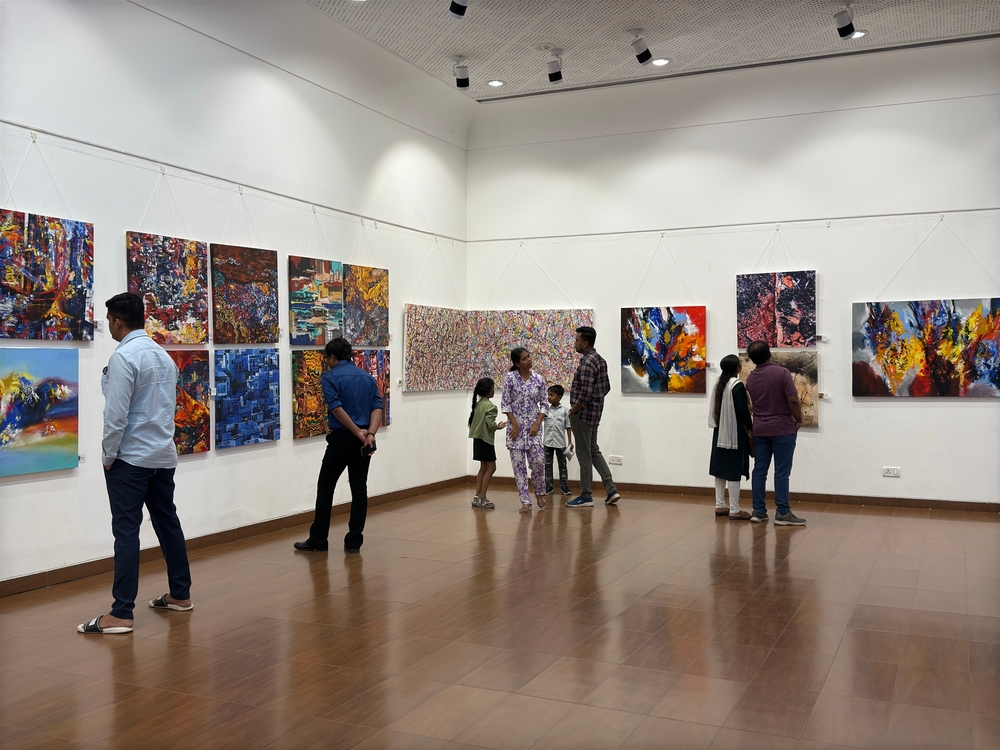
Mientras Occidente se centra en los impuestos sobre el patrimonio, el Sur Global asiste a una revolución fiscal. Eficaz 22 de septiembre de 2025, el Gobierno indio racionalizó su régimen del Impuesto sobre Bienes y Servicios (GST), reduciendo el tipo aplicable a los bienes artísticos y culturales de 1,5 euros a 1,5 euros. 12% a 5%.3
Democratizar el mercado
Este cambio de política es más que un recorte de impuestos: es un acontecimiento de creación de mercado.
- Precio Accesibilidad: La reducción disminuye el coste de adquisición del arte original, haciéndolo competitivo frente a la decoración producida en serie. Se espera que esto haga que un amplio segmento de las transacciones en efectivo del “mercado gris” se incorpore a la economía “blanca” formal, aumentando la transparencia y la confianza.23
- Demanda corporativa y de interiores: Los arquitectos y diseñadores de interiores, que antes se sentían disuadidos por el recargo de 12%, ahora se ven incentivados a especificar productos originales. Arte indio para proyectos a gran escala. Esto se alinea con un auge económico más amplio en la India, donde se prevé un crecimiento del PIB de 7,4% para el año fiscal 2025-26. 24, creando una nueva clase media acomodada ávida de bienes culturales.
- Sector de piedras preciosas y joyería: Las reformas se extienden al sector del lujo, y el Consejo de Promoción de la Exportación de Gemas y Joyas (GJEPC) presiona para que se reduzcan aún más los aranceles con el fin de combatir los elevados aranceles estadounidenses. El objetivo es convertir a India en un centro mundial de fabricación de joyas de platino y oro de gama alta, situándola como competidora directa de Italia y China.25
Banca en la sombra y riesgos de liquidez
Bajo la superficie de estos avances positivos se esconde un riesgo sistémico: el sector de la “banca en la sombra”. Un informe de la Cámara de los Lores británica ha puesto de relieve la “limitada comprensión” por parte del Tesoro de los riesgos que plantea el sector financiero no bancario de $16 billones.26
- Préstamos garantizados por obras de arte: El mercado de préstamos de obras de arte está muy enredado con empresas privadas de crédito y capital riesgo. Estas entidades no reguladas proporcionan la liquidez que permite a los coleccionistas apalancar sus colecciones. Una recesión en el sector crediticio privado -provocada por el aumento de las tasas de impago o una crisis de liquidez- podría forzar la liquidación de los activos de arte pignorados, inundando el mercado de existencias en dificultades. Esta “financiarización” del arte significa que el mercado está ahora expuesto a riesgos sistémicos muy alejados de las galerías.26
Estrategia interna:
La oportunidad de liquidación “en la sombra El informe advierte de una crisis de liquidez en el sector bancario en la sombra. Un movimiento de dinero inteligente: Los compradores en efectivo deben prepararse para una oleada de “Ventas ”forzadas por el prestamista a finales de 2026. A diferencia de los ciclos de subastas tradicionales, estas ventas se producen de forma silenciosa y rápida.Cómo detectarlos:
Busque obras de gran valor que aparezcan repentinamente en el mercado privado a un precio 20-30% inferior al estimado con una exigencia de “pago inmediato”. A menudo se trata de embargos de garantías. Tenga liquidez preparada para intervenir.
El mercado del arte corporativo: Estrategias de los gigantes
El mercado del arte ya no es dominio exclusivo de galerías y casas de subastas.
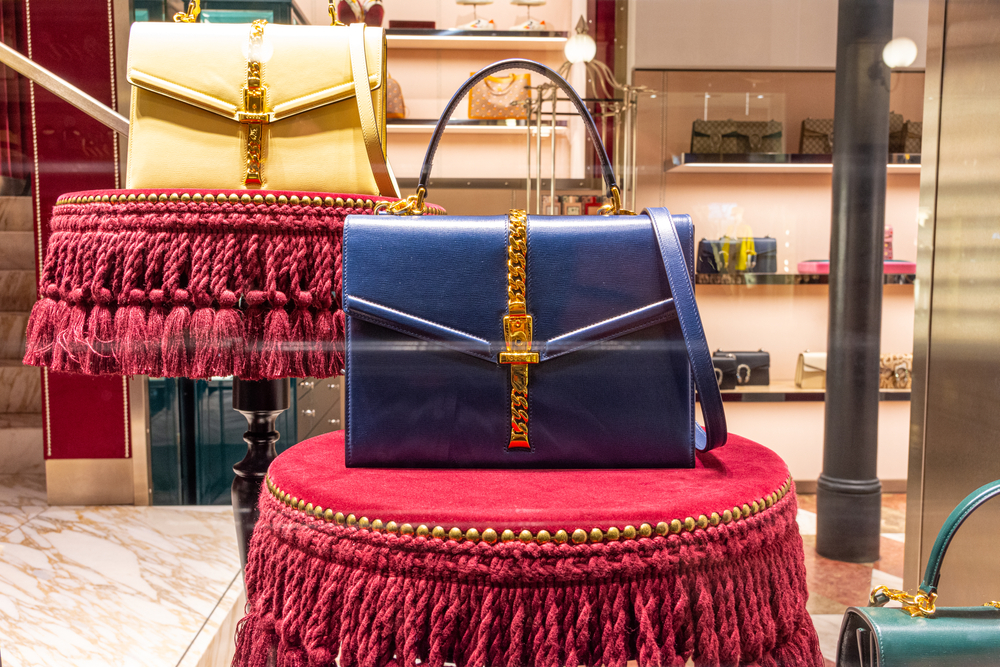
Ha sido colonizada por conglomerados de lujo, principalmente LVMH y Kering, que utilizan el arte como palanca estratégica del valor de la marca.
LVMH: el gigante cultural descentralizado
LVMH sigue dominando el panorama “Transvertical” mediante una estrategia de autonomía descentralizada. En lugar de imponer una estética corporativa monolítica, LVMH anima a sus 75 “Maisons” a actuar como mecenas culturales independientes.27
- Escasez y patrimonio: La estrategia 2026 de LVMH se centra en “proteger la escasez” y aprovechar el patrimonio. Esto se ejemplifica con la Louis Vuitton Art Déco un escaparate centenario que conecta las raíces de la Maison en 1925 con las tendencias “neo-deco” contemporáneas. Al enmarcar sus productos como artefactos históricos junto a obras de arte, LVMH refuerza el valor de inversión de sus artículos de lujo.28
- Recuperación del tercer trimestre: Tras un periodo de estancamiento, LVMH registró un fuerte tercer trimestre en 2025, señal de un retorno del “consumo visible”. Este repunte sugiere que los ultra ricos están dispuestos a gastar de nuevo, siempre que los activos ofrecidos -ya sean bolsos o arte- se posicionen como “piezas de inversión” con valor duradero.29
Kering: La creatividad como legado
Kering, que se enfrenta a vientos en contra más fuertes que su rival, ha redoblado su estrategia de “La creatividad es nuestro legado”. En la Exposición Internacional de Importación de China (CIIE), Kering presentó su pabellón no como un espacio comercial, sino como un entorno artístico envolvente, que mezcla patrimonio e innovación.30
- La lucha por la definición: A diferencia de la amplia cartera de LVMH, Kering depende en gran medida de Gucci y Saint Laurent. Su estrategia consiste en elevar estas marcas mediante la asociación directa con el arte elevado y la “credibilidad de la alta costura”. Sin embargo, con la caída de los ingresos, Kering se enfrenta a una “Gran Separación” en la que debe elegir entre el volumen y la propuesta de valor extremo necesaria para sobrevivir en el panorama del lujo de 2026.31
Aura Blockchain y el Pasaporte Digital de Productos (DPP)

La convergencia tecnológica más significativa entre arte y lujo es el Consorcio Aura Blockchain, fundada por LVMH, Prada y Cartier. En 2026, Aura pone en marcha la nueva generación de Pasaportes digitales de productos (DPP).32
- Procedencia inmutable: Marcas como Otro mañana y Tod's están lanzando colecciones en las que cada objeto tiene una identidad anclada en una cadena de bloques accesible a través de chips NFC. Esta tecnología se está trasladando rápidamente al mercado de las obras de arte. En una época de estrictas normativas de importación de la UE, un historial de propiedad verificado por blockchain (procedencia) se está convirtiendo en un requisito previo para la liquidez. El DPP sirve como un “gemelo digital” que viaja con la obra de arte o el artículo de lujo, resolviendo los problemas de “arqueología regulatoria” planteados por el Reglamento 2019/880 de la UE.34
Tendencias estéticas 2026: la reacción neo-deco
El carácter estético de 2026 se define por una tensión dialéctica: un repliegue sobre el peso físico de Neo-Deco y una expansión hacia la inmaterialidad de Arte de los datos.
Neo-Deco: El santuario del peso
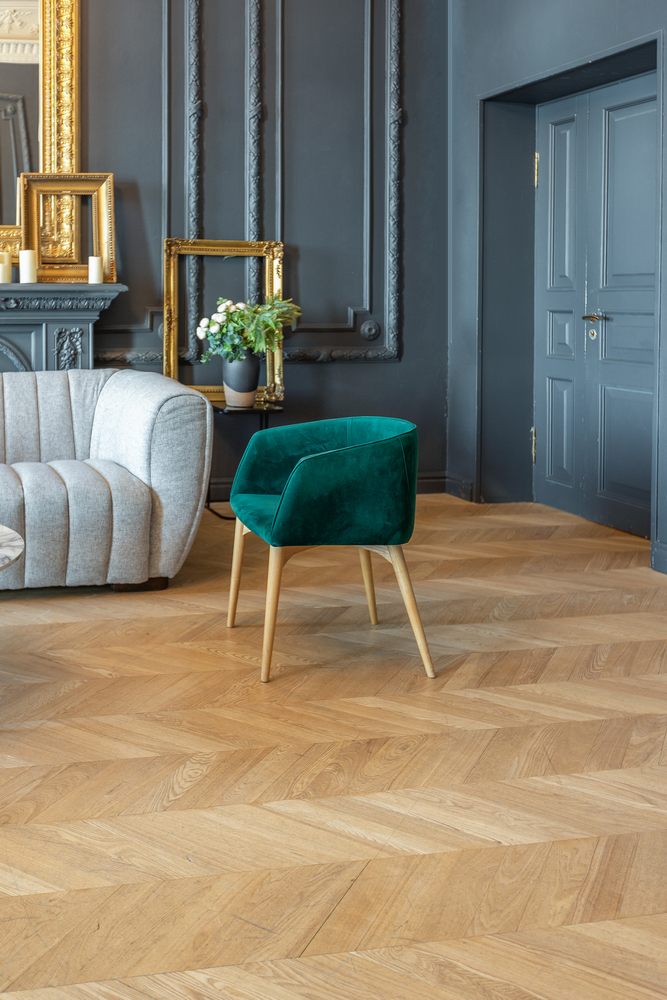
Tras una década de “minimalismo Apple Store” e interiores “Greige”, el péndulo ha oscilado violentamente hacia el Neo-Deco. Esta tendencia no es un pastiche de los años veinte, sino una evolución “más deprimente y elegante” adaptada a un mundo en crisis.35
- El look: El neodeco se caracteriza por sus “tonos joya” profundos y saturados (sangre de buey, zafiro, esmeralda, marrón chocolate), permanencia geométrica y el rechazo de los acabados brillantes en favor de metales mates como el bronce cepillado y el oro champán.
El mobiliario es “Fat Deco”: voluptuosos sofás de terciopelo acanalado que ofrecen comodidad física y seguridad psicológica.35 - Conductor psicológico: En un entorno geopolítico definido por las guerras comerciales y la inestabilidad, los coleccionistas buscan “santuarios”.”
Quieren entornos que se sientan arraigados, permanentes y con resonancia histórica. El uso de materiales pesados como el mármol, la madera y el cristal estriado refleja el deseo de un “lujo tangible” que no pueda borrarse ni devaluarse por un fallo del servidor.35
Dataland y la institucionalización de la IA
Mientras el hogar se convierte en una fortaleza de materiales pesados, la esfera del arte público abraza lo digital. La primavera de 2026 marca la apertura de Dataland en Los Ángeles, el primer museo del mundo dedicado íntegramente a las artes de la IA, fundado por Refik Anadol.5
- La IA en el mercado: A pesar de las controversias éticas y las peticiones contra las ventas de “Inteligencia Aumentada”, el arte de la IA ha encontrado un nicho de mercado estable. Obras de entidades como Robot Ai-Da (cuyo retrato de Alan Turing se vendió por más de $1 millones) y Anadol se coleccionan no como curiosidades, sino como arte contemporáneo canónico.6 La inauguración de Dataland en The Grand LA (diseñado por Frank Gehry) consolida la transición del arte de la IA de moda especulativa NFT a pilar institucional.
Ultra-contemporáneo japonés: La nueva “pintura húmeda”
Con el enfriamiento del mercado chino debido a la guerra comercial y la ralentización económica, el capital especulativo mundial ha pivotado hacia el Ultracontemporáneo japonés escena.6
- El turno: Los coleccionistas se alejan de la estética pop “superplana” de Takashi Murakami y Yoshitomo Nara, cuyos mercados han registrado importantes descensos del volumen de negocio. En su lugar, persiguen a “estrellas emergentes” menores de 40 años, como Tetsuya Ishida (que vive un auge póstumo impulsado por Gagosian) y Yu Nishimura (con el apoyo de David Zwirner).
Este cambio refleja un mayor deseo de “frescura” por parte del mercado, combinado con la seguridad de la representación de las megagalerías.6
Pivote de mercado:
La salida “superplana El informe señala un descenso del volumen de negocio de iconos del “Superflat” como Takashi Murakami y Yoshitomo Nara.
Estrategia del inversor:
La estética “Pop” se enfría. Rota el capital hacia la “Nueva Ola Japonesa” -artistas menores de 40 años centrados en realismo psicológico (como Tetsuya Ishida) en lugar de la estética del anime. El mercado está pasando de “Lindo” a “Serio”.”
América Latina: Una voz resurgente
El mercado latinoamericano está experimentando un renacimiento, impulsado por la atención que la Bienal de Venecia de 2024 presta al Sur Global.
- SP-Arte y Este Arte: Brasil SP-Arte y la feria boutique de Uruguay Este Arte y atraen a coleccionistas internacionales. El mercado es resistente, impulsado por una sólida base de coleccionistas locales que ven en el arte una protección contra la inflación monetaria.36
- Arte cubano: El arte cubano se identifica como un sector de alto crecimiento, “infravalorado” en relación con su calidad y reconocimiento institucional. Artistas como Roberto Fabelo y Yoan Capote están registrando récords de subasta, posicionados como “arte establecido a precios emergentes”.38
Hitos institucionales: Definición del canon
Guggenheim Abu Dhabi: La culminación de una visión
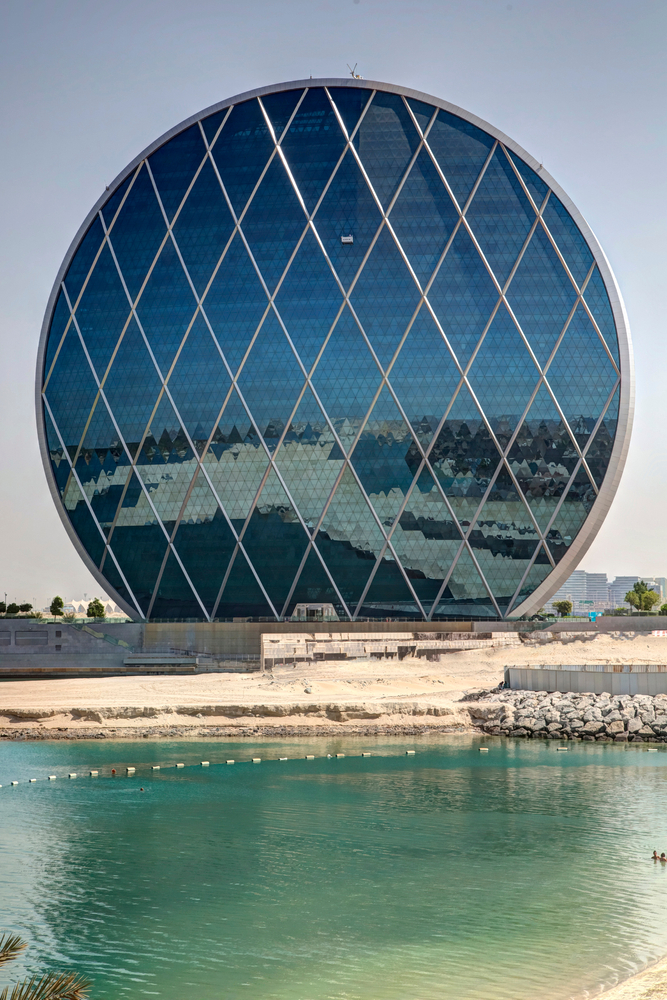
Su inauguración está prevista para 2026. Guggenheim Abu Dhabi representa la culminación del proyecto del Distrito Cultural de Saadiyat.39
- Cambio estratégico: Diseñado por Frank Gehry con vastas y chocantes formas cónicas, el museo no es una mera franquicia. Su estrategia de colección se centra agresivamente en WANASA (Asia Occidental, Norte de África y Sur de Asia). Se trata de un intento deliberado de descentrar el canon occidental, presentando una historia del arte “transnacional” en la que el modernismo árabe tiene el mismo peso que el expresionismo abstracto.40
Estrategia interna:
Siga el dinero “WANASA El Guggenheim Abu Dhabi colecciona de forma explícitamente agresiva WANASA (Asia Occidental, Norte de África, Sur de Asia) para llenar sus enormes salas. Movimiento de inversores: Se trata de una señal institucional verificada.Busque modernistas “Blue Chip” de estas regiones (por ejemplo, Sudán, Marruecos, Pakistán) que actualmente estén infravalorados en comparación con sus homólogos occidentales. Cuando un museo importante valida una región, se produce una corrección de precios en 24 meses.
Bienal de Venecia 2026: “En clave menor”
La 61ª Bienal de Venecia, que se inaugurará el 9 de mayo de 2026, será un acontecimiento sombrío y poético. Titulada “En tonos menores”.” hará realidad la visión del difunto comisario Koyo Kouoh.42 El tema hace hincapié en la sutileza, lo “no heroico” y las dimensiones sensoriales del arte.43 Esta orientación curatorial coincide con el cambio general del mercado hacia el “discernimiento racional” y el “menos es más”, rechazando el bombardeo de la última década.
Conclusiones: El archipiélago de 2026
El mercado del arte de 2026 ya no es una aldea única y globalizada. Se ha fracturado en un archipiélago de islas fortificadas -la Fortaleza América, la Fortaleza Europa y la Fortaleza de los Ultra-Ricos- conectadas por tenues puentes de zonas comerciales “neutrales” e infraestructura digital.
El éxito en este entorno requiere un nuevo conjunto de habilidades. Ya no basta con tener “buen ojo”. El coleccionista y el inversor de 2026 también deben dominar la logística, navegar por los códigos arancelarios y las licencias de importación con la misma destreza que aplican a los catálogos de subastas. Deben aprovechar el “One Big Beautiful Bill” para planificar su patrimonio, al tiempo que utilizan el envío “Carnet” para esquivar las guerras comerciales. Deben equilibrar la comodidad física de los santuarios “Neo-Deco” con el reto intelectual del arte de la IA.
El mercado no ha muerto; se ha endurecido. Es más pequeño en volumen de propaganda, pero más denso en valor. Es un mercado en el que el centro se ha caído, dejando un paisaje de picos y valles, accesible sólo a los que tienen el capital para subir y los conocimientos para navegar por el terreno.
La matriz del arte geopolítico de 2026
| Región | Conductor clave | Mecanismo político | Impacto en el mercado | Respuesta estratégica |
| Estados Unidos | Proteccionismo | Tarifas (20-25%), IEEPA, Sección 301 | Alto coste de importación; trampas fiscales “Mixed Media”. | Transporte marítimo; producción/almacenamiento en alta mar; compras nacionales. |
| Unión Europea | Reglamento | Reg (UE) 2019/880; Sistema ICG | Licencia estricta para antigüedades/arqueología. | Auditorías de procedencia (“Arqueología normativa”); Frío de mercado para el arte antiguo. |
| India | Liberalización | Corte GST (12% $\a$ 5%) | Menores costes de adquisición; formalización del mercado. | Aumento de la recaudación nacional; recaudación empresarial. |
| Corea del Sur | Neutralidad | Zonas francas; Frieze Seúl | Refugio seguro para el comercio transfronterizo. | Centro de inventario desplazado de EE.UU. a China; Crecimiento de lo “Ultra-Contemporáneo”. |
| EAU | Creación de instituciones | Guggenheim Abu Dhabi Apertura | Estrategia de recogida de WANASA. | Catalizador del mercado regional; Reescribir el canon. |
Previsión de rendimiento de las clases de activos para 2026
| Clase de activos | Tendencia | Conductor principal | Outlook |
| Blue Chip (> $10M) | 🟢 Estable/Al alza | OBBBA Exención del impuesto sobre el patrimonio; Escasez. | Capital refugio; escasa oferta por falta de ventas forzosas. |
| Mid-Market ($50k-$500k) | 🔴 Desafiado | Aranceles; Fricción naviera; Estrangulamiento de la clase media. | “Hollowing out”; comercio exclusivamente nacional. |
| Japonés Ultra-Contemp. | 🟢 En auge | Traslado de capital desde China; respaldo de megagalerías. | Alto crecimiento; Interés especulativo. |
| Diseño neo-deco | 🟢 Surgimiento | Necesidad psicológica de consuelo/santuario. | Gran demanda de diseño vintage y contemporáneo. |
| Viejos maestros / Antigüedades | 🟠 Lento | Licencias de importación de la UE (Reg 2019/880). | Retrasos en el cumplimiento; Aversión al riesgo. |
| Arte digital / AI | 🟡 Institucionalizar | Apertura de Dataland; Procedencia de Blockchain. | Transición de la especulación a la canonización. |
Obras citadas
- En una economía ‘en forma de K’, la recuperación del mercado del arte podría ..., consultado el 15 de enero de 2026, https://www.theartnewspaper.com/2026/01/06/in-a-k-shaped-economy-the-art-markets-recovery-could-rely-on-the-super-rich
- El ‘gran proyecto de ley’ de Trump: Major Tax Changes for 2025-2026, consultado el 15 de enero de 2026, https://www.hollandhart.com/trumps-one-big-beautiful-bill-major-tax-changes-for-2025-2026
- GST rate cut from 12% to 5% poised to brighten India's art landscape, consultado el 15 de enero de 2026, https://www.ibef.org/news/gst-rate-cut-from-12-to-5-poised-to-brighten-india-s-art-landscape
- Neo-Deco 2026: The Return of Glamour (But Make It Matte), consultado el 15 de enero de 2026, https://avianlifestyle.com/blogs/blog/neo-deco-2026-the-return-of-glamour-but-make-it-matte
- The Most Anticipated Art Museum Openings and Expansions of 2026, consultado el 15 de enero de 2026, https://observer.com/list/the-most-anticipated-art-museum-openings-and-expansions-of-2026/
- informe sobre el mercado del arte contemporáneo-2025 (1).pdf
- Art market 2026 predictions: underwhelming rebound and another ..., consultado el 15 de enero de 2026, https://www.theartnewspaper.com/2025/12/31/predicting-art-market-trends-2026-underwhelming-rebound-and-another-frieze-fair
- Medidas arancelarias presidenciales para 2025: Timeline and Status | Congress.gov, consultado el 15 de enero de 2026, https://www.congress.gov/crs-product/R48549
- Arte y aranceles: Navigating the 2026 Trade War for Artists, consultado el 15 de enero de 2026, https://executemagazine.com/art-tariffs-navigating-the-2026-trade-war-for-artists/
- Los aranceles y el mundo del arte: ¿Qué está pasando? - Fieldfisher, consultado el 15 de enero de 2026, https://www.fieldfisher.com/en/insights/tariffs-and-the-art-world-what-is-going-on
- Reglamento - 2019/880 - ES - EUR-Lex - Unión Europea, consultado el 15 de enero de 2026, https://eur-lex.europa.eu/eli/reg/2019/880/oj/eng
- Nuevos controles a la importación de bienes culturales - En vigor desde el 28 de junio de 2025, consultado el 15 de enero de 2026, https://mtca.gov.mt/news-results-page/2025/06/30/new-import-controls-on-cultural-goods—effective-28th-june-2025
- La UE introduce nuevos controles a la importación de bienes culturales | Access2Markets, consultado el 15 de enero de 2026, https://trade.ec.europa.eu/access-to-markets/en/news/eu-introduces-new-import-controls-cultural-goods
- Reglamento UE 2019/880 sobre la importación de bienes culturales, consultado el 15 de enero de 2026, https://www.fieldfisher.com/en/insights/eu-regulation-2019-880-on-the-importation-of-cultural-goods-the-eu-commission-q-and-a-part-2
- a legal expert's view on upcoming changes to EU import law, consultado el 15 de enero de 2026, https://www.theartnewspaper.com/2025/06/03/about-to-throw-a-wrench-in-the-market-a-legal-experts-view-on-upcoming-changes-to-eu-import-law
- Rising costs and regulatory challenges for art dealers - WTW, consultado el 15 de enero de 2026, https://www.wtwco.com/en-hk/insights/2025/12/fine-art-and-antiquities-rising-costs-and-regulatory-challenges-for-art-dealers
- The Intertwined Paths of Korean and Japanese Art - Frieze, consultado el 15 de enero de 2026, https://www.frieze.com/article/intertwined-paths-korean-japanese-art-frieze-week-magaine-seoul-2025
- ¿Qué Trump? Con $1,2 billones, el superávit comercial de China alcanza un nuevo máximo en 2025 pese a los aranceles de EE.UU., consultado el 15 de enero de 2026, https://timesofindia.indiatimes.com/business/international-business/xi-jinping-delivers-a-1-2-trillion-rebuff-to-donald-trump-china-exports-his-record-high-in-2025/articleshow/126521346.cms
- El superávit comercial de China aumenta 20% a un récord de $1,2 billones, incluso con los aranceles de Trump, a los que se accede el 15 de enero de 2026, https://apnews.com/article/china-economy-trade-surplus-record-59f6fcc80ee3afc204a024f57766d319
- One Big Beautiful Bill Act - Wikipedia, consultado el 15 de enero de 2026, https://en.wikipedia.org/wiki/One_Big_Beautiful_Bill_Act
- How will the One Big Beautiful Bill impact your gift and estate taxes?, consultado el 15 de enero de 2026, https://www.withersworldwide.com/en-gb/insight/read/how-will-the-one-big-beautiful-bill-impact-your-gift-and-estate-taxes
- Después de la gran ley: Estate Tax Updates, consultado el 15 de enero de 2026, https://www.dglaw.com/after-the-one-big-beautiful-bill-estate-tax-updates/
- How India's New 5% GST Slab benefits the Art Ecosystem, consultado el 15 de enero de 2026, https://mazdaart.com/blog/f/how-india%E2%80%99s-new-5%25-gst-slab-benefits-the-art-ecosystem
- Una economía robusta Se prevé un crecimiento del PIB de la India de 7,4% en el año fiscal 26 - el gobierno publica las primeras estimaciones avanzadas, consultadas el 15 de enero de 2026, https://timesofindia.indiatimes.com/business/india-business/robust-economy-indias-gdp-growth-projected-at-7-4-in-fy26-government-releases-first-advanced-estimates/articleshow/126390294.cms
- Budget 2026: GJEPC seeks duty cuts and policy reforms to boost gem and jewellery exports, consultado el 15 de enero de 2026, https://m.economictimes.com/industry/cons-products/fashion-/-cosmetics-/-jewellery/budget-2026-gjepc-seeks-duty-cuts-and-policy-reforms-to-boost-gem-and-jewellery-exports/articleshow/126522861.cms
- Treasury has ‘limited grasp’ of concerns over booming shadow banking sector, peers say, consultado el 15 de enero de 2026, https://www.theguardian.com/business/2026/jan/09/treasury-concerns-shadow-banking-sector-peers
- The Strategy and Competitor Analysis of LVMH - ResearchGate, consultado el 15 de enero de 2026, https://www.researchgate.net/publication/369690883_The_Strategy_and_Competitor_Analysis_of_LVMH
- Louis Vuitton desvela la exposición Louis Vuitton Art Déco - LVMH, consultado el 15 de enero de 2026, https://www.lvmh.com/en/news-lvmh/louis-vuitton-reveals-louis-vuitton-art-deco-exhibition
- Repunte de las acciones de lujo: Signs of Market Recovery - Social Life Magazine, consultado el 15 de enero de 2026, https://sociallifemagazine.com/the-archive/luxury-stocks-rally-lvmh-q3-nyc-hamptons-2026/
- COMUNICADO DE PRENSA 5 de noviembre de 2025 KERING ASISTE A LA 8ª ..., consultado el 15 de enero de 2026, https://www.kering.com/api/download-file/?path=Press_Release_KERING_ATTENDS_THE_8_TH_CIIE_WITH_CREATIONS_EMBODYING_ITS_CREATIVITY_IS_OUR_LEGACY_SIGNATURE_d6b0683433.pdf
- El mercado del lujo perderá el término medio en 2026, consultado el 15 de enero de 2026, https://www.luxurydaily.com/luxury-unfiltered-the-luxury-market-will-lose-the-middle-ground-in-2026/
- Another Tomorrow Joins Aura: Blockchain for Luxury Transparency, consultado el 15 de enero de 2026, https://auraconsortium.com/news/another-tomorrow-joins-aura-consortium
- Consorcio Aura Blockchain | Departamento de ..., consultado el 15 de enero de 2026, https://sdgs.un.org/partnerships/aura-blockchain-consortium
- Adoptar el Pasaporte Digital de Productos como requisito reglamentario, consultado el 15 de enero de 2026, https://www.deloitte.com/ch/en/Industries/consumer/analysis/embracing-digital-product-passport-regulatory-requirement.html
- Neo Deco: The Art Deco Revival Set to Shape 2026 - Atelier 44, consultado el 15 de enero de 2026, https://www.atelier44.co.uk/post/neo-deco-the-art-deco-revival-set-to-shape-2026
- Informe de ventas SP-Arte 2025: El mercado brasileño del arte afronta el futuro ..., consultado el 15 de enero de 2026, https://sophiesuartadvisory.com/sp-arte-2025-sales-report-brazilian-art-market-faces-the-future-with-resilience-2/
- How Este Arte Turned a José Ignacio into a Hub for Latin American Art, consultado el 15 de enero de 2026, https://observer.com/2026/01/how-a-small-uruguayan-town-became-a-seasonal-hub-for-latin-american-art/
- Latin American art surges after the 2024 Venice Biennale, consultado el 15 de enero de 2026, https://splintinvest.com/en/blog/latin-american-art/
- Guggenheim Abu Dhabi - Wikipedia, consultado el 15 de enero de 2026, https://en.wikipedia.org/wiki/Guggenheim_Abu_Dhabi
- guggenheim - Departamento de Cultura y Turismo de Abu Dhabi, consultado el 15 de enero de 2026, https://dct.gov.ae/en/what.we.do/culture/museums/guggenheim.aspx
- Pollock, Rothko, Warhol y Basquiat: Primeros detalles del Guggenheim ..., consultado el 15 de enero de 2026, https://www.thenationalnews.com/arts-culture/art-design/2025/11/21/first-details-of-guggenheim-abu-dhabis-collection-global-museum/
- La Bienal de Venecia 2026 seguirá la visión del fallecido comisario Koyo Kouoh, a la que se accederá el 15 de enero de 2026, https://www.theartnewspaper.com/2025/05/27/everything-you-will-see-is-the-fruit-of-her-work-venice-biennale-2026-will-follow-late-curator-koyo-kouohs-vision
- Las exposiciones más esperadas de 2026 Parte II - Whitewall.art, consultado el 15 de enero de 2026, https://whitewall.art/art/most-anticipated-exhibitions-of-2026-part-ii/