
Ravi Mandlik: Biography, Style, and Market Standing of the Indian Abstract Painter
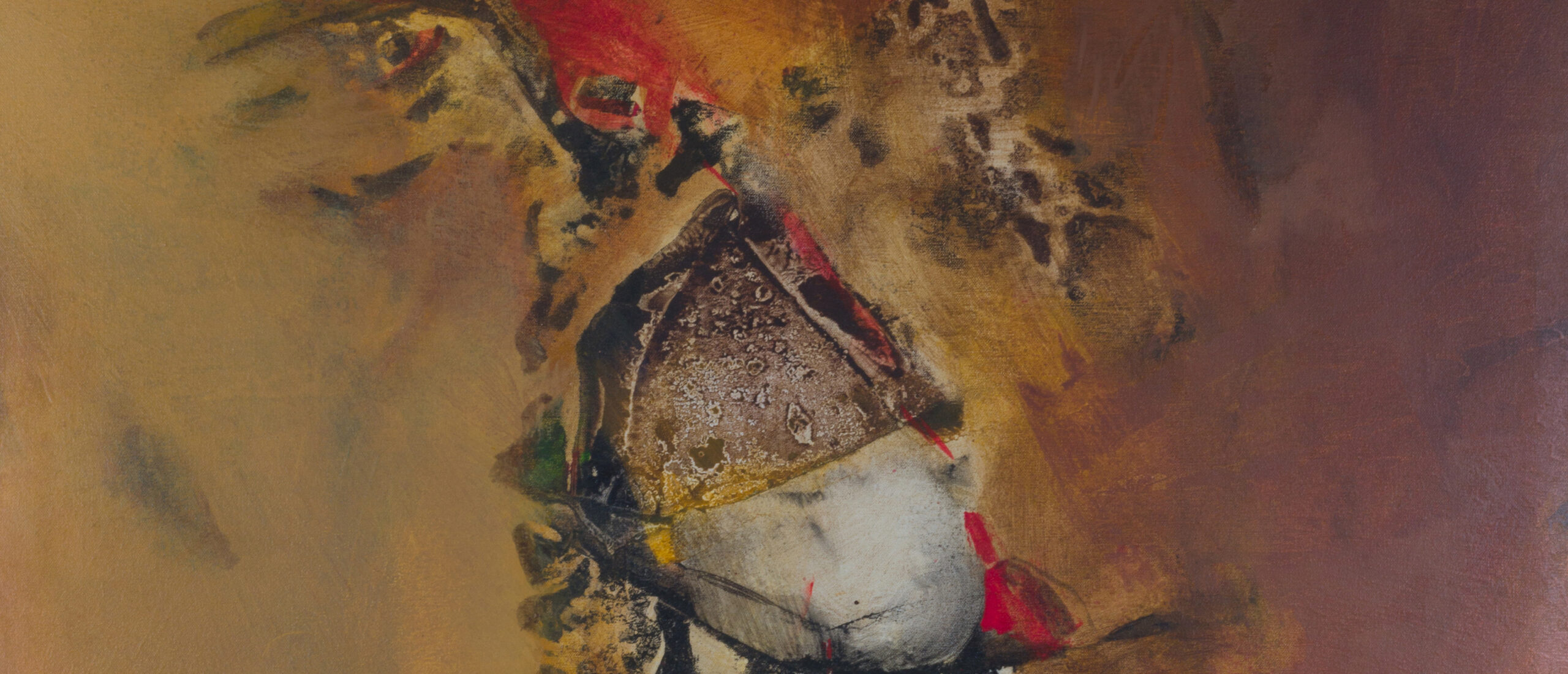
Ravi Mandlik is an Indian abstract painter trained at Sir J.J. School of Art, known for large-scale acrylics built from layered colour, texture and white counterbalance. This profile covers his documented biography, style, and standing in the Indian modern and contemporary art market.
Table of Contents
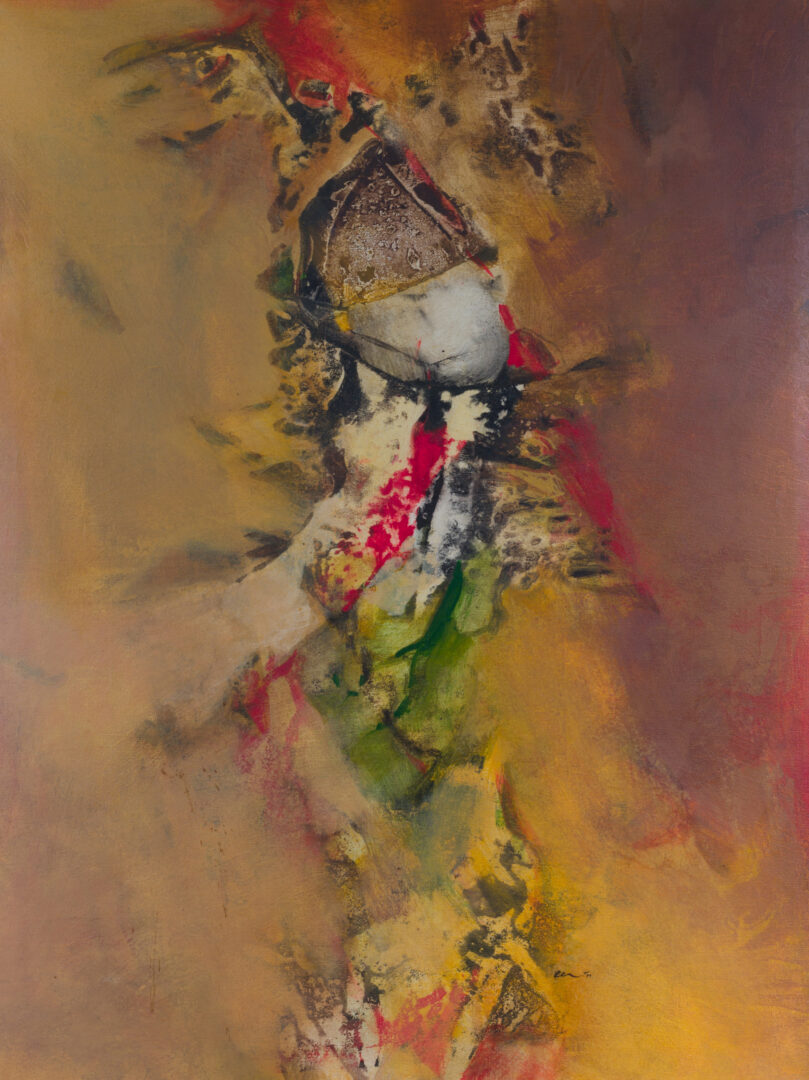
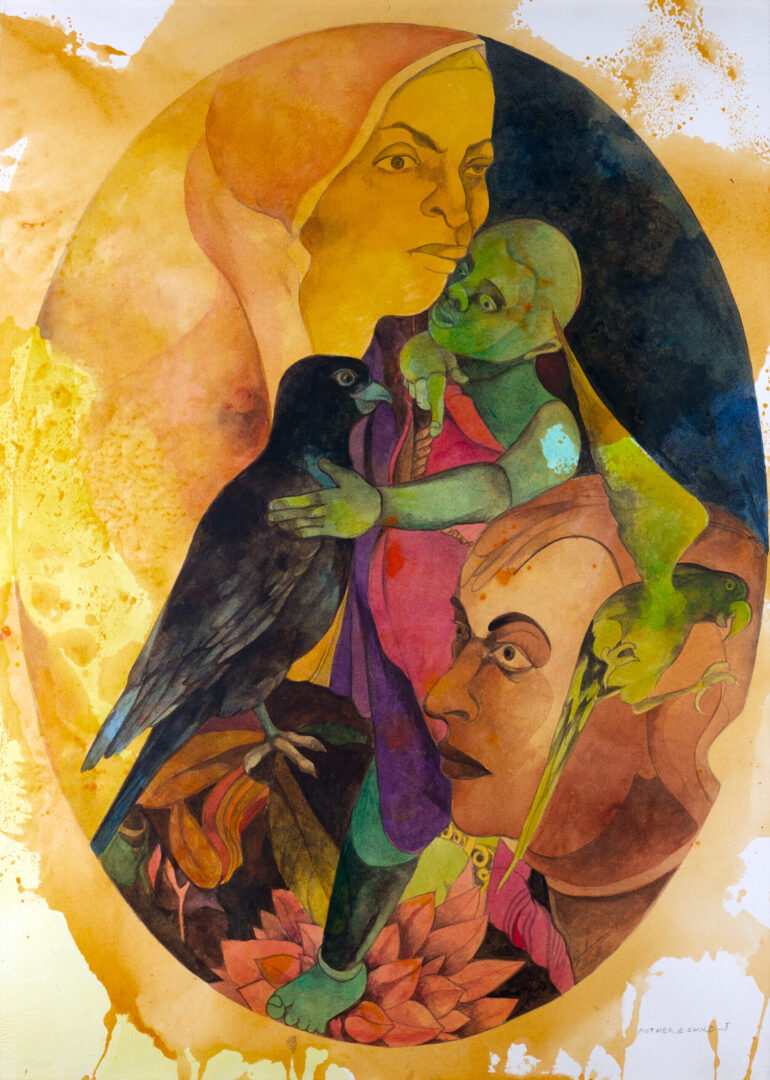
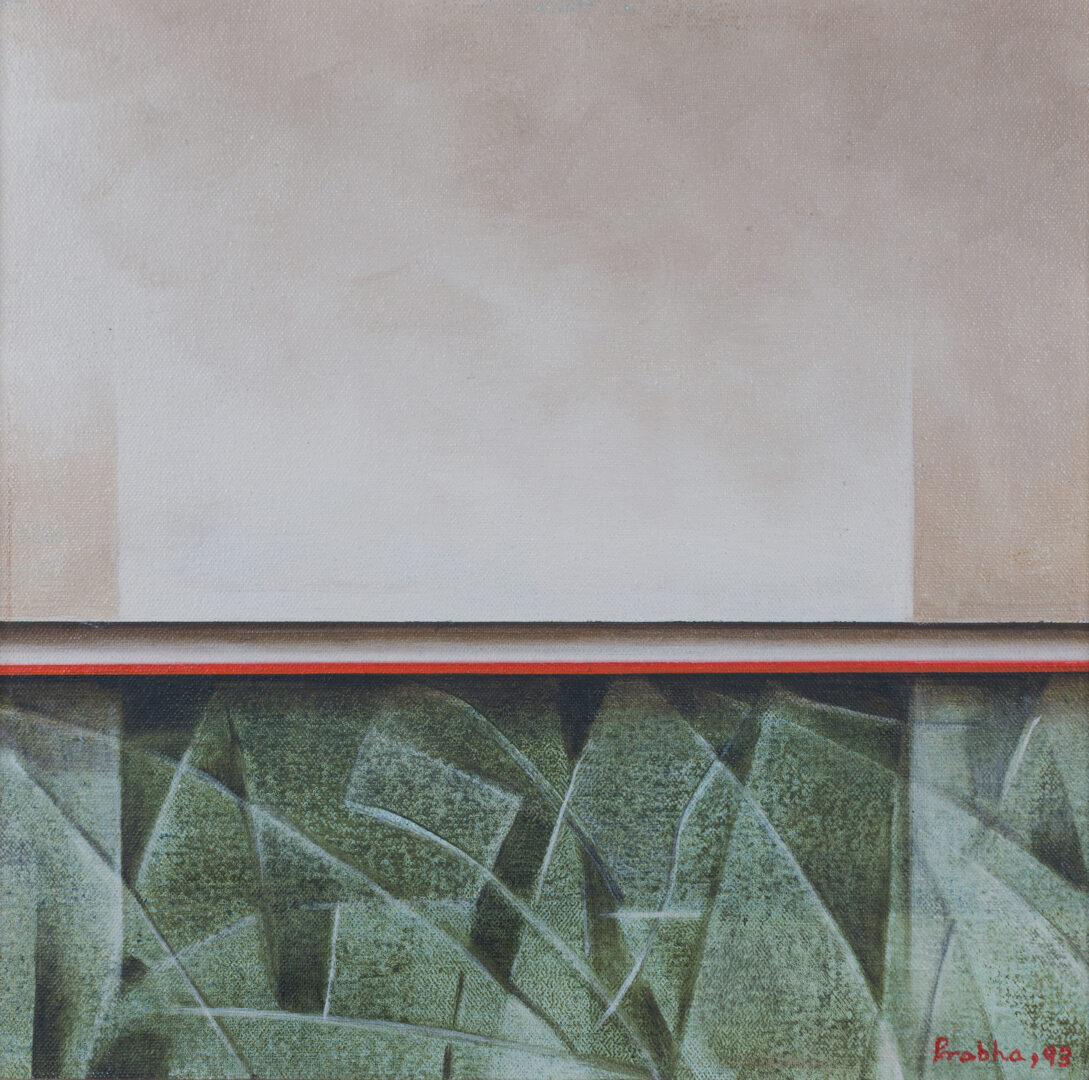
Ravi Mandlik is an Indian abstract painter, born in 1960 in Achalpur, Maharashtra, whose textured acrylic canvases have made him one of the more consistently exhibited studio-trained abstractionists to come out of Mumbai’s Sir J.J. School of Art since the 1980s. His work sits in Aurora & Athena’s catalogue as part of a deliberate expansion into Indian modern and contemporary art — alongside artists such as Gurcharan Singh and Prabha Shah — and the gallery has previously handled his numbered “Composition” series, abstract works built from layered color and heavy impasto texture.
This profile draws on Mandlik’s documented exhibition record, published artist statements, and his auction history to place his work in context. Where the paper trail is thin — as it is for several working Indian abstractionists of his generation — we say so rather than filling gaps with invented biography.
Ravi Mandlik’s Formation at Sir J.J. School of Art
Mandlik was born on 20 October 1960 in Achalpur, a town in the Amravati district of Maharashtra, according to his Wikipedia entry. He trained at Sir J.J. School of Art in Mumbai — the government art college that has shaped generations of Indian painters since the 19th century — completing a Government Diploma (G.D.) in painting. The institution awarded him a fellowship in 1984 and its Usha Deshmukh Gold Medal the following year, and he went on to teach painting there as well as at Mumbai’s L.S. Raheja School of Art, moving from student to faculty inside the same J.J.-centred ecosystem that trained him.
The following decade brought a run of scholarships and international showings rather than one breakout moment: the Bendre-Hussain Scholarship (1995–96), an award from the Seychelles Visual Art Biennale (1996), and a placing in Winsor & Newton’s worldwide millennium painting competition, which carried his work to group shows in London, Brussels, Stockholm and New York in 1999. He also exhibited at the Yokohama Citizens Gallery in Japan (1995) and Tokyo’s Ueno Royal Museum (2007), according to his Tao Art Gallery artist page, alongside further showings in Bali, Singapore and Dubai.
In India, his solo exhibitions include Jehangir Art Gallery and Tao Art Gallery in Mumbai — where his 2018 solo show “Geist” explored the more spiritual register of his abstraction — and group exhibitions at the National Gallery of Modern Art, Mumbai.
Abstract Expressionism and the Language of White
Mandlik works in acrylic on canvas, typically at a large scale — pieces run from around 30×40 inches up to 60×120 inches, sized for the wall presence abstract expressionist painting depends on. His stated point of departure is the five classical elements of nature, treated less as illustration than as a private color-and-texture vocabulary; he has pointed to the forests of his native Maharashtra and neighbouring Karnataka as a recurring source, translated into canvases built from layered brush, roller and mixed-tool marks rather than one controlled technique.
A documented shift in his method dates to around 2006, when he began using white more deliberately as what he describes as a counterbalance — a way to calm and structure surfaces that would otherwise be dominated by saturated, jagged colour. The resulting canvases tend to work through contrast: cool tones set against warm ochre grounds, chaotic mark-making offset by open white fields, a visceral, high-energy surface resolving into something closer to meditative, according to a profile in Abirpothi. It is this tension — restraint used to hold chaos in check, rather than to soften it — that separates his abstraction from more purely decorative colour-field painting.
Ravi Mandlik and the Legacy of Indian Modernism
Mandlik’s training ties him directly to one of Indian modern art’s central institutions. Sir J.J. School of Art produced or employed several figures associated with the Bombay Progressive Artists’ Group — the collective formed in 1947 around F.N. Souza, M.F. Husain, S.H. Raza and others, whose break from academic and colonial-era painting conventions set the terms for Indian modernism for the following half-century. Mandlik belongs to a later generation trained inside that same J.J. lineage, one that inherited the Progressives’ commitment to internationally legible abstraction but applied it to different material — texture and impasto, rather than the Progressives’ more figurative, expressionist idiom.
That trajectory — an artist absorbing modernist abstraction through a national art-school system and reworking it through a distinctly local, elemental subject matter — echoes a pattern Aurora & Athena has traced in other bodies of work outside the traditional Western canon; the gallery’s own survey of 20th-century Russian art covers a comparable story of state art schools, official and unofficial movements, and artists working out a modernist vocabulary on their own terms. India’s contemporary gallery and auction infrastructure — Saffronart, AstaGuru, Pundole’s — has, since the 2000s, built out a secondary market for exactly this generation of J.J.- and Baroda-trained abstractionists, sitting between the blue-chip Progressives and a younger contemporary scene.
Collecting Ravi Mandlik: Market Standing and Aurora & Athena
Mandlik’s auction record is modest and consistent rather than headline-grabbing. Public sale data compiled by MutualArt puts his top realized price at roughly $2,177, for an untitled canvas sold at Saffronart Mumbai in 2020, with works on paper realizing up to around $789 — figures that place him well below the Progressive Artists’ Group’s seven-figure records, in the more accessible tier of the Indian modern and contemporary market where paintings change hands through gallery representation and smaller lots as much as through headline evening sales.
That is the tier Aurora & Athena has been building out deliberately, adding Indian modernism alongside its longer-standing program in 20th-century European and international painting; the gallery’s program has included Gurcharan Singh and Prabha Shah as well as a numbered Mandlik abstract composition, part of the artist’s “Composition” series of large-format acrylics. Collectors interested in the broader program can explore more contemporary paintings in our gallery, where works are added and rotated as consignments come in.
Frequently Asked Questions
Who is Ravi Mandlik?
Ravi Mandlik is an Indian abstract painter born in 1960 in Achalpur, Maharashtra. He trained at Sir J.J. School of Art in Mumbai, later taught there and at L.S. Raheja School of Art, and has built a four-decade exhibition record in India and abroad within the Abstract Expressionism tradition.
What is Ravi Mandlik’s painting style?
Mandlik paints large-scale abstract acrylics inspired by the five elements of nature and the forests of Maharashtra and Karnataka. Since around 2006 he has used white as a deliberate counterbalance to jagged colour and heavy texture, building canvases that move between visceral chaos and meditative calm.
Where did Ravi Mandlik study?
He earned a Government Diploma in painting from Sir J.J. School of Art, Mumbai, receiving the school’s fellowship in 1984 and its Usha Deshmukh Gold Medal in 1985.
How much do Ravi Mandlik paintings sell for at auction?
Auction records compiled by MutualArt show a top realized price of roughly $2,177, for a canvas sold at Saffronart Mumbai in 2020, with works on paper realizing up to around $789 — a market tier well below the Progressive Artists’ Group but consistent across recorded sales.
Where can I see or buy work by Ravi Mandlik today?
His work has shown at venues including Jehangir Art Gallery and Tao Art Gallery in Mumbai and the National Gallery of Modern Art, and it surfaces periodically at Indian auction houses such as Saffronart and through gallery consignments, including Aurora & Athena’s own catalogue.
Available Now
Available at the gallery
Artists in this article


Considering Selling a Piece From Your Collection?
Aurora & Athena's specialists provide free valuations and can guide you through consignment to auction or private sale.
Get a Free Valuation