
Joan Miro Lithographs: 7 Smart Reasons Collectors Buy Now
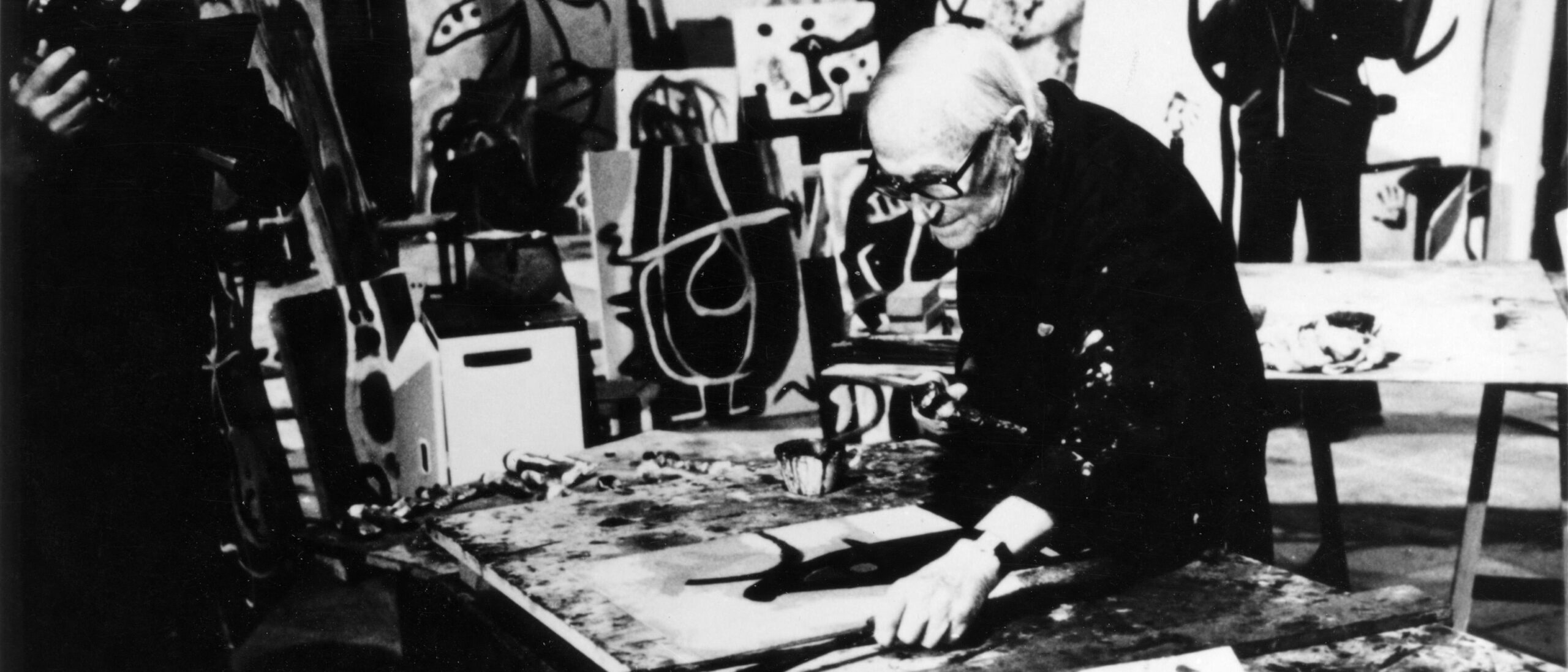
Joan Miró's most expensive print has sold for about £100,000 — a fraction of his $36.9 million painting record. Here's why collectors buy the lithographs, what drives their price, and how to check one is real before you buy.
Table of Contents
Joan Miró’s record for a painting stands at roughly $36.9 million. His most expensive print, the 1967 lithograph Equinoxe, has changed hands for around £100,000 — and the overwhelming majority of his lithographs trade for a small fraction of that, most for under £10,000. Roughly 30,000 of them have already sold at auction. That gap between the painting market and the print market, on work made by the same hand, is the entire case for buying a Miró lithograph rather than chasing a canvas.
This guide covers who Miró was, how lithography became a central part of his practice rather than a sideline, what actually moves the price of Joan Miro lithographs, and what to check before you buy one — the catalogue numbers, the signature, and the paperwork that separates a real Miró lithograph from a decorative poster. For a broader primer on why original prints hold value the way they do, the Print Council of America‘s definition of an original print is a useful reference point.
Who Was Joan Miró?
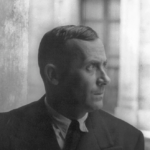
Joan Miró was born on 20 April 1893 in Barcelona, the son of a watchmaker and goldsmith. He trained for a conventional trade first, working as an office clerk after commercial school, until a breakdown in his early twenties persuaded his artisan father to let him study art instead. He enrolled at Barcelona’s School of Fine Arts, and from 1919 on he split his time between Spain and Paris, where he fell in with the Dada circle and then the Surrealists — the movement his name is most often filed under, even though his own style, rooted in Catalan landscape and folk art as much as in Surrealist theory, never quite matched the group’s official line.
He worked into his nineties: painting, sculpture, ceramics, murals and tapestries for public spaces, alongside the printmaking that is this article’s subject. Miró died on 25 December 1983 in Palma de Mallorca, aged 90, following years of cardiovascular illness.
From Painter to Printmaker: Miró’s Lithography Career
Miró’s first print dates to 1930, made to illustrate Tristan Tzara’s poetry collection L’arbre des Voyageurs. For most artists of his generation, that would have been a one-off favour to a poet friend. For Miró it was the start of a parallel career: over five decades he produced more than 2,000 prints across etching, drypoint, carborundum and, above all, lithography — a body of graphic work large enough that several dealers now treat it as its own specialism, distinct from his paintings.
The path there ran through three collaborators. In the 1940s he worked with the master printer Roger Lacourière on etching. In New York, he experimented with the British printmaker Stanley William Hayter on viscosity printing, a technique for laying several colours from a single inked plate. And it was his Paris dealer, Aimé Maeght, who pushed him toward lithography specifically — encouragement that led, from 1948 onward, to a long working relationship with the printer Fernand Mourlot’s Paris studio, Atelier Mourlot. That single collaboration alone produced more than a thousand Joan Miro lithographs.
Later in the 1960s he added carborundum to his repertoire — an abrasive-grit intaglio technique that lets a print carry thick, textured colour closer to paint than to conventional printmaking — using it on at least 72 documented prints. Readers curious about the foundation that holds the largest collection of his work, including much of his graphic output, can see it directly at the Fundació Joan Miró in Barcelona.
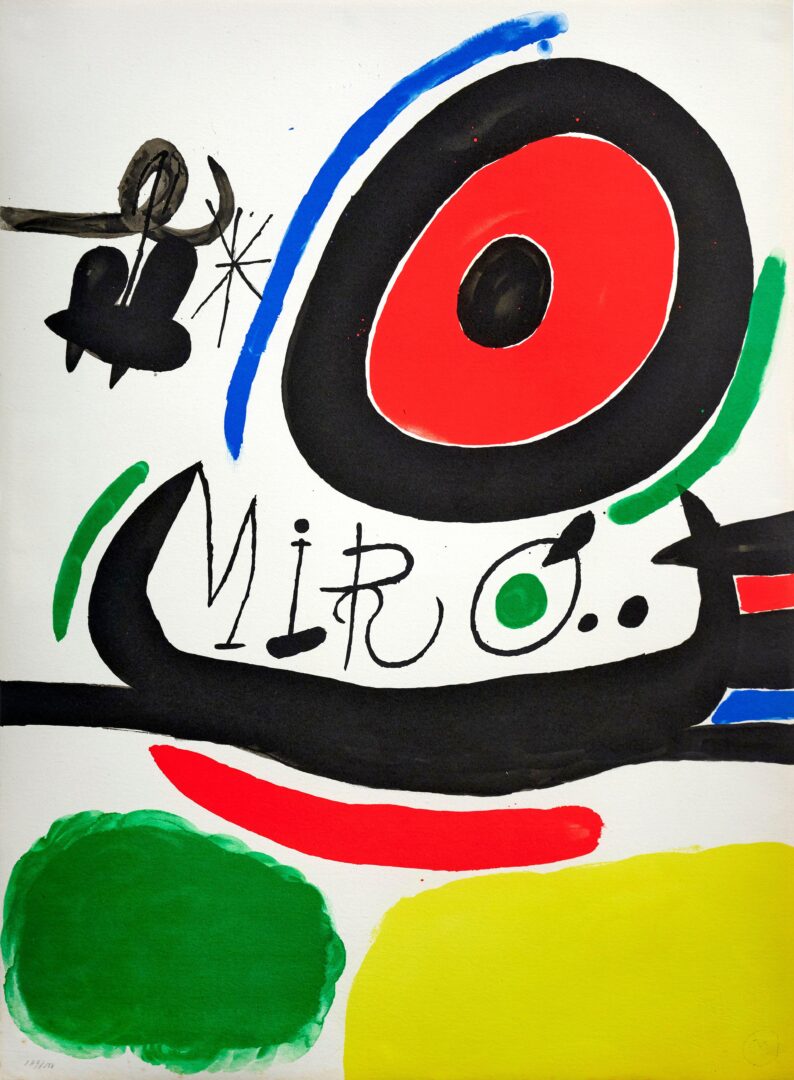
The prints from this period aren’t studio ephemera or reproductions of his paintings. Miró drew and worked directly on the lithographic stones and plates, the same automatist method he used on canvas — letting the hand move with minimal premeditation — applied to a medium where the image had to survive being transferred, inked and pulled through a press multiple times. Dealers and auction specialists consistently point to the colourful, abstract lithographs from after 1960 as the most sought-after part of this output, the period when his graphic vocabulary of biomorphic shapes, black calligraphic lines and primary colour fields was fully developed.
Why Collectors Buy the Lithographs, Not Just the Paintings
Joan Miro lithographs exist for a structurally different reason than his paintings do. A unique Miró painting is, by definition, one object. When it sells for tens of millions of dollars, that price reflects competition among a small number of buyers for something that cannot be replaced. A lithograph is structurally different: Miró and Mourlot pulled a fixed, predetermined number of impressions from each stone — typically signed in pencil and numbered as an edition — before the stone was defaced or the run closed. That means dozens of collectors, not one, can own an original, hand-signed Miró from the same edition, at a price set by that wider pool of impressions rather than by the scarcity of a single canvas.
The practical effect shows up in the numbers: roughly 30,000 Miró lithographs have already changed hands at auction, at prices from a few hundred to a little over £100,000 for the rare exception like Equinoxe. That volume is itself a form of liquidity a painting collector doesn’t get — there is almost always another comparable lithograph coming up for sale somewhere, which makes pricing more transparent and makes it realistic to sell again later, rather than sitting on a unique work with no direct comparable.
None of that makes a lithograph a lesser object. Miró treated the medium as a genuine extension of his practice rather than a commercial sideline — he is on record producing more prints across his lifetime than paintings — and a hand-signed, correctly numbered impression from a small, well-documented edition carries his authorship as directly as a canvas does. What buying a lithograph actually gets a collector is a real, autograph Miró, verifiable against a published catalogue, at an entry price that starts in the hundreds of pounds rather than the millions.
What Actually Drives a Miró Lithograph’s Price
Edition size is the first variable. A lithograph pulled in a run of 75 will always trade differently from one pulled in a run of several hundred for a book or exhibition poster — smaller, numbered fine-art editions command more than the larger poster editions Miró also produced for exhibitions at Galerie Maeght and elsewhere, even when the image itself is comparably strong.
Period and subject matter come next. Specialists consistently rate the colour-saturated, fully abstract lithographs from after 1960 above his earlier, more illustrative graphic work — these are the prints that read most clearly as “a Miró” at a glance, with the black calligraphic marks and flat colour fields collectors associate with his mature style.
Condition and completeness matter as much with paper as with canvas: toning, foxing, trimmed margins or a missing signature all move a price down, sometimes sharply, regardless of how strong the image itself is. And provenance — a documented ownership history, ideally back to the original Maeght or Mourlot edition — adds confidence that a painting can’t offer in the same way, since a print’s value depends entirely on its being verifiably one of the artist’s own authorised impressions rather than a later, unauthorised pull from the same stone.
Before You Buy: Authentication and What to Check
Two catalogues raisonnés cover Miró’s print output and are the reference point for authenticating any lithograph offered for sale. Fernand Mourlot’s own catalogue numbers the lithographs printed at his atelier; Patrick Cramer’s Joan Miró: The Illustrated Books, published in Geneva in 1989, catalogues the print work tied to his book and portfolio projects. A legitimate Miró lithograph should be identifiable against one of these — often cited as, for example, “Mourlot 854” or a Cramer number — and any dealer or auction house offering one should be able to supply that reference.
Beyond the catalogue number, three things to check on the physical print itself: a hand-signed example carries Miró’s pencil signature in the lower right margin and the edition number (for example, 34/75) in pencil in the lower left; an authenticated work is typically accompanied by a certificate of authenticity; and the paper, margins and printing quality should match what’s documented for that edition — a trimmed sheet or a signature that sits differently from published examples is a reason to ask more questions before buying, not a reason to walk away automatically. Unsigned exhibition posters and later reproductions exist in large numbers and are a different, much lower-value category from a hand-signed, numbered fine-art impression, even when the image is identical.
If you already own a print you believe is an original Miró lithograph and want it looked at, or you’re new to buying at auction and want to understand how bidding actually works before your first sale, our guide to how bidding works is a good place to start.
Frequently Asked Questions
Are Joan Miró lithographs a good investment?
Joan Miro lithographs are a genuinely more accessible way to own an original, hand-signed work by a blue-chip 20th-century name — most trade for well under £10,000 against a painting record around $36.9 million — and the roughly 30,000 lithographs already sold at auction give the category real price transparency. As with any collectible, value depends heavily on edition, period, condition and correct authentication rather than the artist’s name alone.
How much does an original Joan Miró lithograph cost?
Most Joan Miro lithographs sell for a few hundred to a few thousand pounds. His most expensive print, the 1967 lithograph Equinoxe, has sold for around £100,000, and individual rarities have gone higher still — one, Homenatge à Jean Prats, sold at auction in 2022 for €137,630. Those are exceptions rather than the norm for his print market.
How can I tell if a Miró lithograph is authentic?
Check it against the Mourlot or Cramer catalogue raisonné numbers that document his print output, look for a pencil signature in the lower right margin and an edition number in the lower left on hand-signed examples, and ask for a certificate of authenticity. Unsigned exhibition posters and later reproductions are common and are a separate, much lower-value category from an authenticated fine-art impression.
How many lithographs did Joan Miró make?
His collaboration with printer Fernand Mourlot’s Paris atelier, beginning in 1948, alone produced more than 1,000 lithographs. Across his full career and every print technique — lithography, etching, drypoint and carborundum — he produced more than 2,000 prints between his first, in 1930, and his death in 1983.
Which Joan Miró lithographs are the most valuable?
Specialists and dealers consistently rate the colour-saturated, fully abstract lithographs Miró produced after 1960 above his earlier, more illustrative graphic work, since these carry the biomorphic shapes and flat colour fields most associated with his mature style. Within that period, smaller, numbered fine-art editions generally command more than the larger poster editions he also produced for exhibitions.
Available Now
Upcoming auction lots
Available at the gallery
Artist in this article
Own a Work by Joan Miró?
Aurora & Athena's specialists provide free valuations and can guide you through consignment to auction or private sale.
Get a Free Valuation